
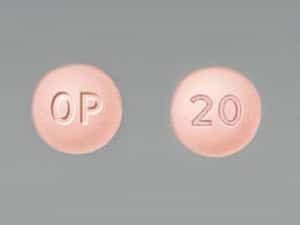
Buy Oxycontin OP 20mg Tablets Online


Price range: $145.00 through $350.00
Buy Oxycontin OP 20mg Tablets Online
What is OxyContin?
OxyContin is an opioid pain medicine that is also available with the generic name Oxycodone. It belongs to the opioid analgesics category of drugs and helps relieve severe ongoing pain. OxyContin functions in the brain to change the feel and response of the body towards pain. You can take the higher strengths of OxyContin only when you are taking moderate to large amounts of opioid pain medication. You can easily buy OxyContin online or from a local pharmacy store.
Buy Oxycontin OP 20mg Tablets Online
Comprehensive Guide to OxyContin (Oxycodone) 20mg Tablets
What is OxyContin?
OxyContin is an opioid pain medication used to treat severe, ongoing pain that requires continuous, long-term opioid treatment. Its generic name is oxycodone. This medication works by altering how the brain perceives and responds to pain, providing relief for patients with moderate to severe pain. Higher strengths of OxyContin, such as 20mg tablets, are typically prescribed only when patients have already been taking moderate to large amounts of opioid pain medication.
OxyContin can be purchased online or from local pharmacies, but it must always be used under strict medical supervision due to its potency and risk of addiction or overdose.
Important Information and Precautions
- OxyContin can cause drowsiness or dizziness. Combining it with alcohol or marijuana increases these effects and can be dangerous.
- Avoid alcohol or any alcoholic beverages while taking this medicine.
- Do not engage in activities requiring full alertness, such as driving or operating heavy machinery, until you know how OxyContin affects you.
- Certain groups, including older adults, malnourished individuals, and those with chronic breathing disorders or wasting syndromes, are at greater risk for serious breathing problems.
- Long-term opioid use may affect fertility in both men and women. Whether these effects are temporary or permanent is still unknown.Buy Oxycontin OP 20mg Tablets Online
What to Know Before Taking OxyContin
Inform your healthcare provider if you have allergies to oxycodone, oxymorphone, or other opioid pain relievers, or if you have allergies to inactive ingredients in the medication. Also, disclose any history of:
- Brain disorders (e.g., tumors, seizures, head injury)
- Liver or kidney disease
- Breathing problems such as sleep apnea, asthma, or COPD
- Mental health issues such as depression or mood swings
- Gastrointestinal issues like intestinal blockage, constipation, or pancreatitis
- Difficulty urinating or swallowing
- Gallbladder disease
Pregnancy and breastfeeding: Avoid OxyContin during pregnancy as it may cause your baby to be born dependent on opioids, potentially leading to life-threatening withdrawal symptoms after birth. The drug also passes into breast milk, so consult your doctor if you are breastfeeding or planning to breastfeed.
How to Take OxyContin
- Read the medication guide every time you get a refill.
- Take OxyContin exactly as prescribed, usually every 12 hours, with or without food.
- If you experience nausea, your doctor might advise taking it with food or using other methods to minimize nausea (like lying down with minimal head movement).
- Swallow tablets whole—do not crush, chew, break, or dissolve them, as this can release the drug too quickly and increase overdose risk.
- If your dose requires multiple tablets, take them one at a time with enough water.
Dosage Information
- Dosage is personalized based on your age, pain severity, response to treatment, other medical conditions, and medications.
- The usual starting dose for adults is 10 mg every 12 hours.
- OxyContin is generally not recommended for children under 11 years old.
Overdose Warning
If you suspect an overdose, seek immediate medical help or call the Poison Control helpline at 1-800-FDA-1088. Signs of overdose include:
- Slow or stopped breathing
- Severe drowsiness or inability to wake up
- Pinpoint pupils
Overdose can be fatal, particularly in children or those taking the drug without a prescription.
What to Avoid While Using OxyContin
- Avoid grapefruit and grapefruit juice, as they can increase side effects.
- Never consume alcohol while on OxyContin due to risk of severe side effects or death.
- Be careful to avoid medication errors by confirming the correct brand and strength of oxycodone before purchase.Buy Oxycontin OP 20mg Tablets Online
Possible Side Effects
Common side effects include:
- Headache
- Drowsiness or tiredness
- Dizziness
- Stomach pain, constipation, nausea, or vomiting
More serious side effects requiring immediate medical attention:
- Allergic reactions (trouble breathing, swelling, hives)
- Slow or irregular heartbeat
- Shallow, noisy, or stopped breathing
- Seizures
- Confusion or unusual behavior
- Signs of high serotonin levels such as hallucinations, fever, sweating, muscle stiffness
- Low cortisol symptoms like vomiting, dizziness, appetite loss, weakness
Because opioid medications can slow or stop breathing, caregivers should be prepared with naloxone and seek urgent help if breathing problems or blue lips occur.
Drug Interactions
OxyContin can have dangerous interactions with other medications. Inform your healthcare provider if you are taking:
- Antifungal drugs, antibiotics, seizure medications
- Blood pressure or heart medications
- Hepatitis C or HIV treatments
- Medicines for bladder problems, irritable bowel syndrome, or motion sickness
- Asthma or COPD medications, cold/allergy medicines, or diuretics
- Sedatives such as Valium, Xanax, Klonopin, or other benzodiazepines
- Other opioids or cough medicines containing opioids
- Drugs affecting serotonin (used for migraines, depression, Parkinson’s)
- Medications causing sleepiness or breathing suppression (sleep aids, muscle relaxers)
Summary
OxyContin is a strong opioid medication designed for chronic pain management but requires careful adherence to medical guidance due to its risks of addiction, overdose, and serious side effects. Always discuss your full medical history and medications with your healthcare provider before starting treatment and report any unusual symptoms immediately.
| Quantity | 120 Pills, 180 Pills, 240 Pills, 300 Pills, 60 Pills |
|---|
Be the first to review “Buy Oxycontin OP 20mg Tablets Online”
Related products

Painkillers

Painkillers

Painkillers
Painkillers
Painkillers
Painkillers
Painkillers

Painkillers
Reviews
There are no reviews yet.