
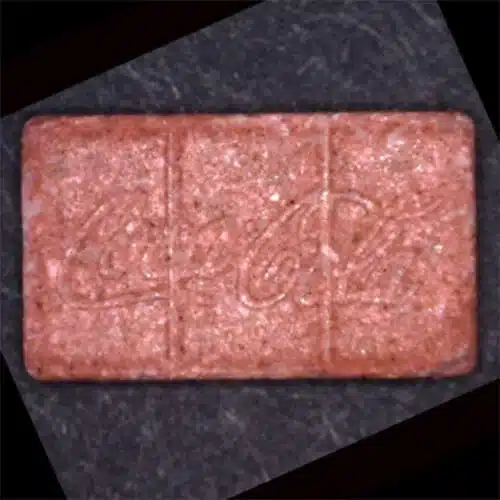

MDMA (Ecstasy/Molly) – Order Coca-Cola MDMA
Buy MDMA Pills 375mg for sale via izChem. What is the white Mercedes MDMA ecstasy pill? The White Mercedes ecstasy pill is a type of ecstasy that has been reported by users. Order Coca-Cola MDMA.
MDMA, also called Molly or Ecstasy, is a lab-made (synthetic) drug that has effects similar to stimulants like methamphetamine, although some researchers and organizations consider MDMA to be a psychedelic drug because it can also mildly alter visual and time perception.
- MDMA’s effects may include feeling more energetic and alert and having an increased sense of well-being, warmth, and openness toward others. However, MDMA can also cause unpleasant and potentially dangerous negative health effects.
- Though MDMA is commonly taken as an illicit drug, researchers are studying its use in therapeutic settings as a potential treatment for severe post-traumatic stress disorder (PTSD).
In the United States, as of 2017, about 7% of people have used MDMA at some point in their lives and 0.9% have used it in the last year.[31] The lethal risk from one dose of MDMA is estimated to be from 1 death in 20,000 instances to 1 death in 50,000 instances.
MDMA (Ecstasy/Molly) in the UK: Effects, Risks, Laws and Safety Information
Introduction
MDMA, commonly known as ecstasy or Molly, is a psychoactive substance associated with nightlife, music festivals, clubs, and recreational drug use. In the United Kingdom, MDMA remains a controlled drug, and its use can involve significant health risks. Although some people associate it with feelings of happiness, emotional closeness, and increased energy, its effects can be unpredictable.
Understanding what MDMA is, how it affects the body, its potential side effects, and the legal consequences of possessing or supplying it is important for anyone seeking reliable information about this substance.
What Is MDMA?
MDMA stands for 3,4-methylenedioxymethamphetamine. It affects several chemical messengers in the brain, particularly serotonin, dopamine, and noradrenaline. These chemicals influence mood, motivation, alertness, and other bodily functions.
MDMA is commonly encountered in different forms:
- Ecstasy: Usually sold as tablets or pills, sometimes featuring distinctive colours, shapes, or logos.
- Molly: A street name commonly used for MDMA sold as crystals or powder.
- Crystalline MDMA: A crystal-like material that may be marketed as a purer form of the substance.
However, appearance and street names cannot establish the identity, strength, or purity of a product. Substances sold as ecstasy or Molly may contain other drugs or unexpected ingredients.
What Are the Effects of MDMA?
The effects of MDMA vary depending on the individual, the substance’s composition, the amount taken, the environment, and whether other substances are involved.
Commonly Reported Effects
Some people report experiencing:
- Elevated mood or feelings of euphoria.
- Increased energy and alertness.
- Greater emotional openness or feelings of closeness to others.
- Increased sensitivity to music, touch, and other sensory experiences.
- Reduced appetite.
- Increased heart rate, sweating, and body temperature.
These effects are not guaranteed, and a pleasurable initial experience does not mean the substance is safe.
Short-Term Side Effects
MDMA can also cause unwanted effects, including:
- Anxiety, panic, or agitation.
- Jaw clenching and teeth grinding.
- Nausea and dizziness.
- Blurred vision.
- Muscle tension and difficulty sleeping.
- Rapid heartbeat and increased blood pressure.
- Confusion or impaired judgement.
Some effects may continue after the main subjective experience has ended.
Potential Health Risks of MDMA
MDMA can affect the cardiovascular system, temperature regulation, and the brain’s ability to regulate mood and other functions.
Overheating and Dehydration
MDMA can interfere with the body’s ability to regulate temperature. Dancing for prolonged periods, crowded venues, and hot environments may increase the risk of dangerous overheating.
Dehydration can also occur, but drinking excessive amounts of water is not a safe solution. MDMA may interfere with the body’s ability to eliminate water, potentially causing dangerously low sodium levels in the blood, a condition known as hyponatraemia.
Heart and Circulation Problems
An increased heart rate and blood pressure can place additional strain on the cardiovascular system. Serious complications, including abnormal heart rhythms, seizures, and organ damage, may occur, particularly in severe cases.
Mental Health Effects
Some people experience anxiety, low mood, irritability, or difficulty concentrating after using MDMA. Sleep disruption may contribute to these symptoms. The severity and duration vary between individuals.
Serotonin-Related Complications
MDMA affects serotonin signalling. Combining it with certain medications or other substances can increase the risk of serious reactions, including serotonin syndrome. Warning signs can include agitation, confusion, fever, heavy sweating, tremor, and muscle rigidity.
Anyone who develops severe symptoms after taking MDMA needs urgent medical assessment.
Is MDMA Addictive?
MDMA does not produce the same pattern of physical dependence in everyone, but repeated use can lead to problematic patterns of consumption. Some individuals may experience cravings, psychological reliance, or difficulty controlling their use.
Frequent use may also be associated with sleep problems, mood changes, anxiety, and difficulties with memory or concentration. The level of risk varies, and research continues to examine the longer-term effects of repeated exposure.
MDMA and UK Drug Laws
In the United Kingdom, MDMA is classified as a Class A controlled drug under the Misuse of Drugs Act 1971.
Possession, supply, production, and other activities involving MDMA are subject to criminal law. The potential consequences depend on the offence and the circumstances.
Class A drug offences can carry serious penalties. The maximum penalties available under UK law include up to seven years’ imprisonment and/or an unlimited fine for possession, and up to life imprisonment and/or an unlimited fine for supply or production. These are maximum penalties, not automatic sentences.
Anyone seeking legal advice about a specific situation should consult a qualified UK solicitor or an appropriate legal advice service.
Harm Reduction and Safety Information
The safest option is not to use MDMA. For people who may nevertheless encounter the substance, understanding the risks can help prevent avoidable harm.
- Avoid combining MDMA with alcohol, stimulants, or other recreational drugs.
- Do not assume that a pill, powder, or crystal contains MDMA simply because it is sold under that name.
- Avoid prolonged physical exertion in hot environments and take breaks in cooler surroundings.
- Drink fluids sensibly rather than consuming large quantities of water rapidly.
- Be aware that medications and pre-existing health conditions may increase the risks.
- Seek urgent medical assistance if severe or unexpected symptoms develop, and tell medical professionals what may have been taken.
When to Seek Emergency Help
Call 999 in the UK if someone develops a very high temperature, severe confusion, a seizure, chest pain, collapse, or loss of consciousness after suspected MDMA use.
Stay with the person, follow the emergency call handler’s instructions, and do not delay seeking help because of concerns about legal consequences.
Conclusion
MDMA, also known as ecstasy or Molly, is a psychoactive substance associated with recreational settings in the UK. While some people seek its mood-altering effects, it can cause serious medical complications, unpredictable reactions, and longer-term difficulties with mood or sleep. Its legal status as a Class A drug also carries significant consequences.
Reliable information, awareness of emergency warning signs, and access to professional support are essential. Anyone experiencing a medical emergency after suspected MDMA use should seek immediate help rather than attempting to manage severe symptoms alone. Order Coca-Cola MDMA.
Frequently Asked Questions About MDMA in the UK
Is MDMA legal in the UK?
No. MDMA is a Class A controlled drug. Possession, supply, and production can result in criminal penalties.
Are ecstasy and Molly the same thing?
Both names are commonly associated with MDMA. Ecstasy usually refers to tablets, while Molly often refers to powder or crystals. Neither name guarantees the substance’s identity or purity.
How long do the effects of MDMA last?
The duration varies depending on the substance, the individual, and other factors. After-effects, including disturbed sleep, fatigue, and changes in mood, may persist beyond the main effects.
Can MDMA cause serious health problems?
Yes. Potential complications include overheating, dangerously low blood sodium, cardiovascular problems, seizures, and severe psychological reactions. Order Coca-Cola MDMA.
Be the first to review “Buy MDMA Pills 375mg”
Related products

MDMA

Depression



MDMA

Reviews
There are no reviews yet.